Rest Isn't Recalibration
You rested all weekend and came back flat. You are not broken. Most of what we call rest keeps the dopamine balance tipped. Here is what resets it.

You take the long weekend. You sleep in, you scroll on the couch, you let a whole season play out on the screen, you tell yourself you have earned the rest. And on Monday you sit down to work feeling exactly the way you felt on Friday. Tired. Flat. Wired in a way that rest was supposed to fix and did not.
I hear a version of this constantly, and it is one of the most misread feelings people carry. We were taught that the answer to depletion is rest, and that rest means doing less, going easy, doing nothing for a while. So we do. And it does not work. The reason is not that you rested wrong or did not rest enough. It is that most of what we call rest is not rest to the brain at all.
Your Brain Keeps One Balance
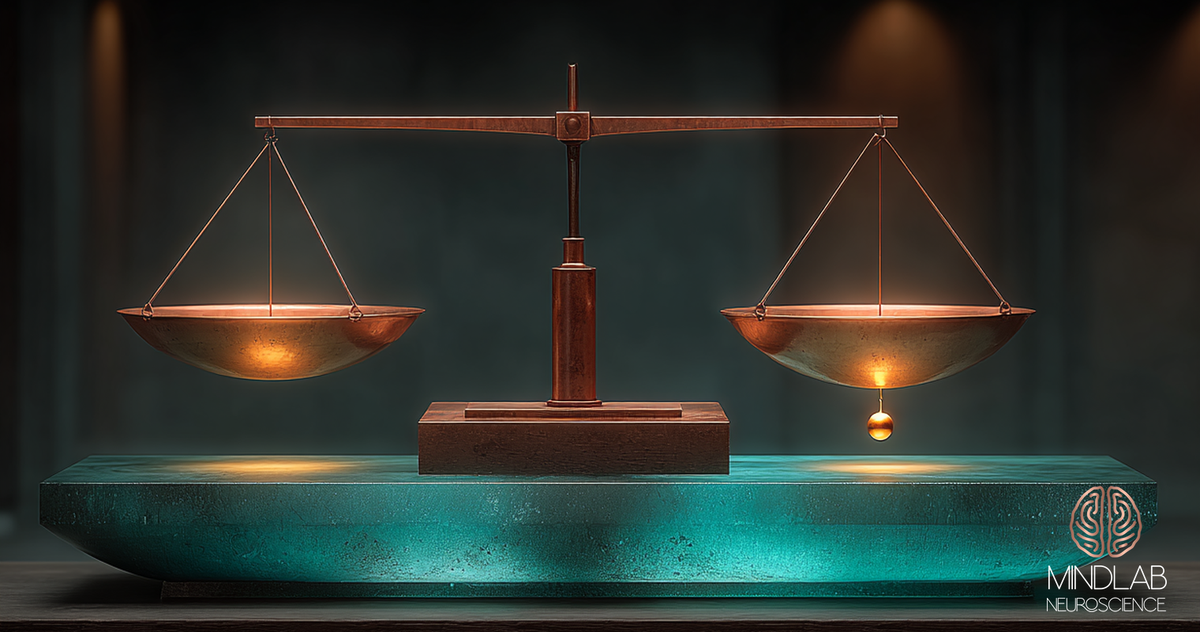
Here is the part nobody told you. Your brain keeps pleasure and pain on a single internal balance, like a seesaw that wants to sit level. Every easy, frictionless hit of stimulation tips it one way: the scroll, the snack, the next episode, the small ping of something new. And the brain answers each tip with an equal and opposite dip on the other side, pulling itself back toward level. One or two, and you never feel the dip. A hundred a day, every day, and the level itself starts to sink. The baseline drops, ordinary life starts to feel like not very much, and you assume something is wrong with you.
Now look at what we actually do on a "restful" weekend. We do not lower the stimulation. We pour more of it in, just in a horizontal position. Hours of scrolling. The autoplay that runs into the night. The food that asks nothing of us. To the part of your brain that tracks this balance, that is not recovery. It is the same flood you were trying to escape, with the lights dimmed. You wake on Monday with a baseline that sank a little further, and you call it Monday.
Recovery Is a Change of Input, Not an Absence of It
Real recovery does the opposite. It is not the absence of input. It is a deliberate change of input. The seesaw does not reset when you stop pushing one side down. It resets when you let the other side rise on its own, and that takes a stretch of doing things that are a little effortful, a little quiet, a little understimulating by modern standards. A walk with no earbuds. A meal you actually taste. A conversation with no second screen. Work that is hard enough to absorb you completely. These feel like less at first. They are exactly the things that let the baseline climb back.
So if your weekend left you flat, you are not lazy and you are not broken. You rested in the one way that keeps the balance tipped. The fix is not more rest. It is different inputs, chosen on purpose, usually the slightly harder ones, and held long enough for your brain to find level again.
A hundred a day, every day, and the level itself starts to sink. The baseline drops, ordinary life starts to feel like not very much, and you assume something is wrong with you.
The first move is almost always subtraction before addition. Before you add the walk or the real meal, you pull one cheap input out of the day and you sit with the restlessness that follows for a few minutes instead of reaching for the next thing. That restlessness is not a problem to solve. It is the seesaw rebalancing. It passes. And on the other side of it, the things you used to enjoy start registering again, at a volume you had quietly stopped expecting.
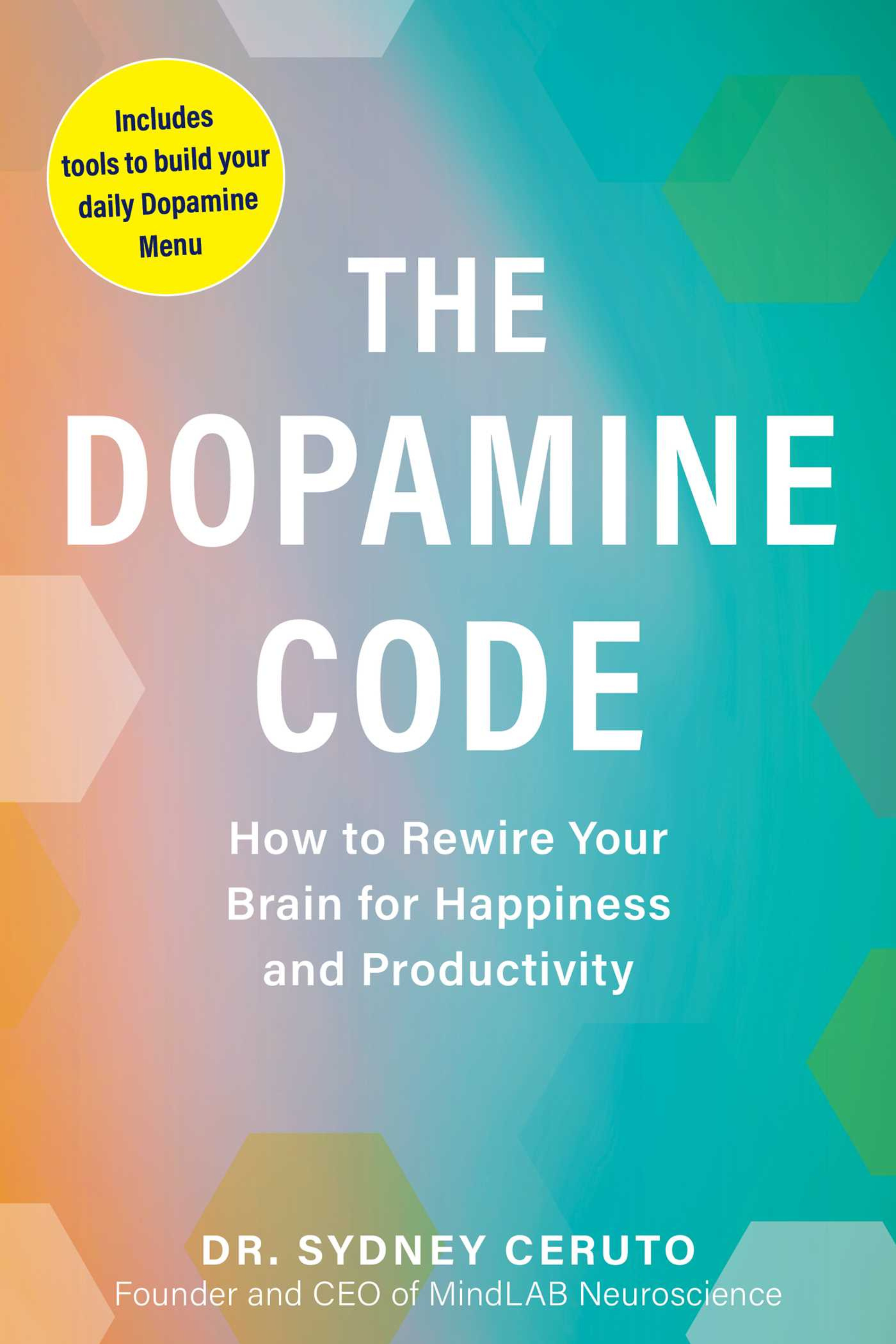
This is the mechanism I spent years mapping, and it is the spine of my book, The Dopamine Code, out now. If the tired-but-wired feeling is familiar, the book is where I lay out the full system: how the balance works, why "more" keeps leaving you flat, and the practical way to tip it back without white-knuckle willpower and without going without.
What is one input you reach for to "rest" that you suspect is actually keeping you wired? I read every reply, and the honest ones are usually where the work starts.
Dr. Sydney Ceruto
|
The Dopamine Code
Order now →
|