Inside the Window
The refractory period is where the rewiring happens. What you do inside that window becomes your new wiring — whether you chose it or not.

The argument escalates and your response fires before you can choose. The pressure arrives and the same pattern locks in — the shutdown, the spiral, the decision you knew was wrong while you were making it. Afterward, in the quiet, you can see exactly what should have happened. But in the moment, something else was driving.
There is a window between the trigger and the locked-in response, and almost everything that matters about whether your brain rewires happens inside it. Issue #1 of this newsletter argued that neuroplasticity has a deadline. This issue goes inside the deadline itself — what your brain is doing during the refractory period (the post-trigger window, distinct from the cellular firing interval of the same name), and why it is the only useful place to intervene.
The window is shorter than you think
When your brain encounters a trigger, it does not immediately run the old response. It enters a brief state of instability — the window between stimulus and locked-in response — during which the pathway is still forming. The brain is genuinely deciding which circuit to reinforce. If nothing intervenes while that window is open, the existing pattern consolidates. Every repetition deepens the groove. What began as a stress reaction becomes a trait. What started as a stress adaptation becomes the only way the brain knows how to respond.
The window is biologically real. It is also brief. Measured in seconds for some patterns, somewhat longer for others, but never long enough to think your way through. The decision about which circuit will fire next is made before the part of your brain you experience as "you" catches up.
Why reflection arrives too late
This is what confuses people who have read everything, named the trigger, traced the origin — and still cannot move the pattern. They reflect. They journal. They develop strategies. They do everything you are supposed to do. And the next time the pressure hits, the old circuit fires anyway.
Reflection is not wasted. It is what lets you recognize the pattern at all. It just cannot reach the moment the pattern is firing.
It is not a willpower failure. It is a timing problem.
By the time you are analyzing the moment in a calm room days later, the pathway has already hardened. The reinforcement window has closed. Whatever insight you reached in that calm room cannot reach back into a moment that has already structurally completed. The pattern won not because you failed to understand it but because the architecture finished forming before understanding became possible.
This is why the most important interventions in restructuring behavior do not happen in the calm after. They happen in the live window — while the circuit is still loose, while the architecture is still being assembled, while the brain is genuinely choosing which response to wire in.
What happens inside the window
Three things, in sequence.
1. Deconstruct
What you are feeling is separated from what is actually happening. Under pressure, the brain fuses the two — the emotional charge and the situation become a single object, and the fused object is what drives the response. The anger and the email in front of you are not the same object; separating them is what makes the reply you actually want visible. It is not analysis. It is a structural unbinding that lets you see the decision in front of you instead of the feeling about it.
2. Interrupt
The default response — anxiety, shutdown, escalation, whichever circuit your brain has been reinforcing for decades — is intercepted before it consolidates. The mechanism here is precise: not suppression, not "thinking different thoughts," but redirection of the nervous system toward a response you actually chose. The old circuit gets less than its full activation. The new circuit gets the reinforcement the old one would have gotten. I call this Active State Switching — deliberately redirecting the nervous system's response while it is still forming. It is the core mechanical principle of Real-Time Neuroplasticity™.
3. Recalibrate
What changes after the redirect is monitored. Where friction remains, which triggers still fire, which patterns shift fast and which resist — all of it informs the next intervention. The architecture being built is specific to the brain doing the building. Nothing is left to drift.
These three movements happen inside a single window. Not over weeks of conversations. Not in a session scheduled for Tuesday at 4 PM. In the moment when the pattern is firing and the circuitry is still soft, before the consolidation that would have locked the old response in place for the thousandth time.
The same mechanism, run in reverse
The mechanism that locks in the new response is the same one that locked in the old one. Long-term potentiation — and the broader consolidation machinery it feeds — does not distinguish between a pathway you want and one you do not. It reinforces whichever circuit gets repeated activation when the window is open. When the redirect happens inside the refractory period, repeatedly, across the situations where the pattern fires, the new response becomes your default through exactly the same biological process that made the old one automatic.
The old pattern does not gradually creep back because the circuitry it ran on has been structurally replaced. This is not management. This is not coping better. This is the same neuroplastic mechanism that produced the original pattern, run in reverse, with intent.
"The refractory period doesn't wait for you to be ready. It opens under pressure, and what you do inside that window becomes your new wiring — whether you chose it or not."
The window does not care whether you are ready. It opens at 3 AM during a spiral you cannot stop. It opens in the silence after a conversation that went wrong in the same way it always does. It opens fifteen minutes before a decision that will change the direction of your life. The question is not whether the window will open. The question is what gets reinforced when it does.
If something in this issue named what keeps happening — the pattern that fires before you can choose, the one reflection has not reached — the pathway has identifiable architecture and the architecture can be restructured. That work begins with a Strategy Call. The call is one hour, by phone. I do not take clients I cannot help, and I will tell you exactly what I see on the call itself.
Dr. Sydney Ceruto
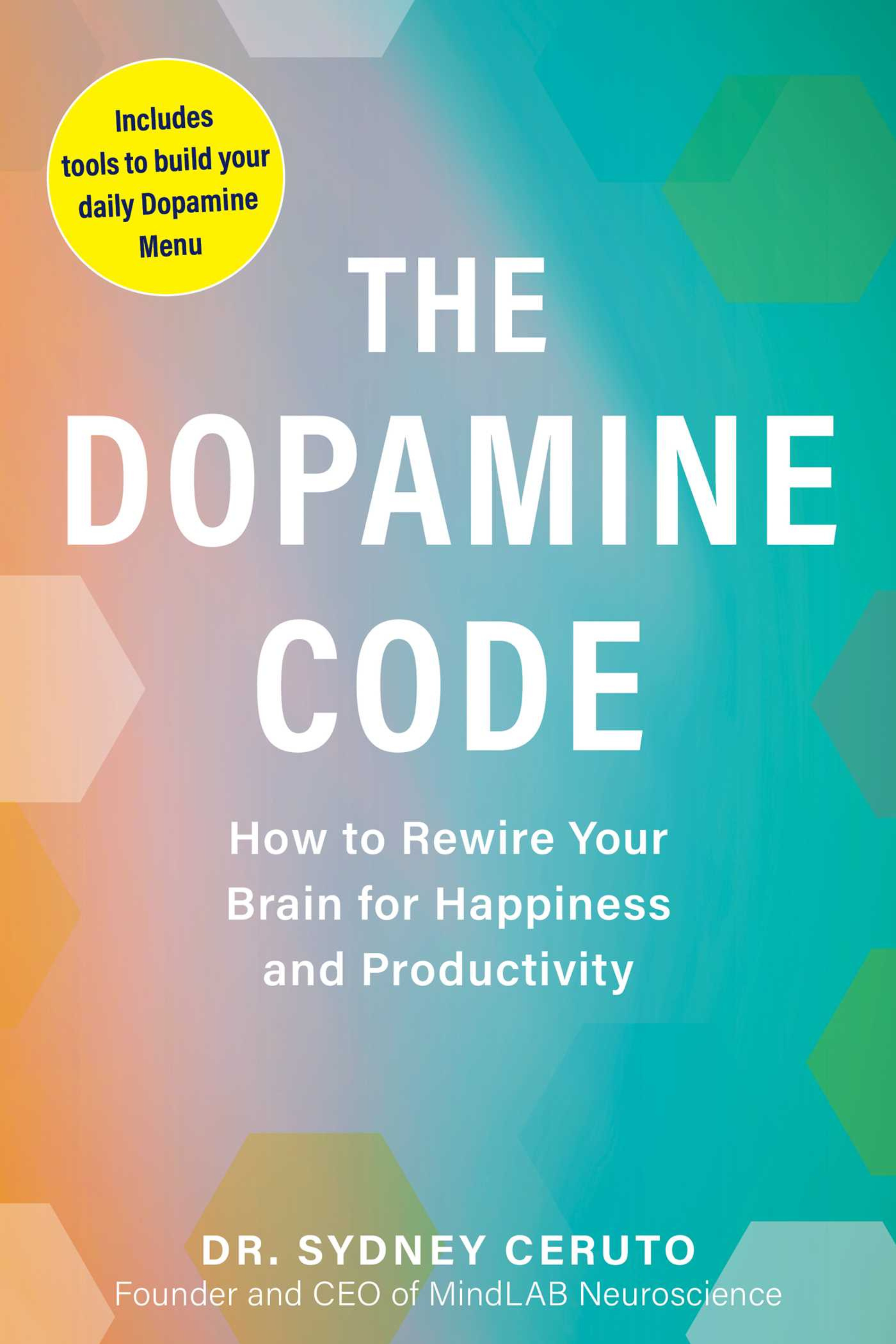 | The Dopamine Code Order now → |